
When I read the Warby Parker case study, it stood out to me because I could connect it to my own experience. I have purchased glasses from Warby Parker, and my experience reflected many of the ideas discussed in the case.
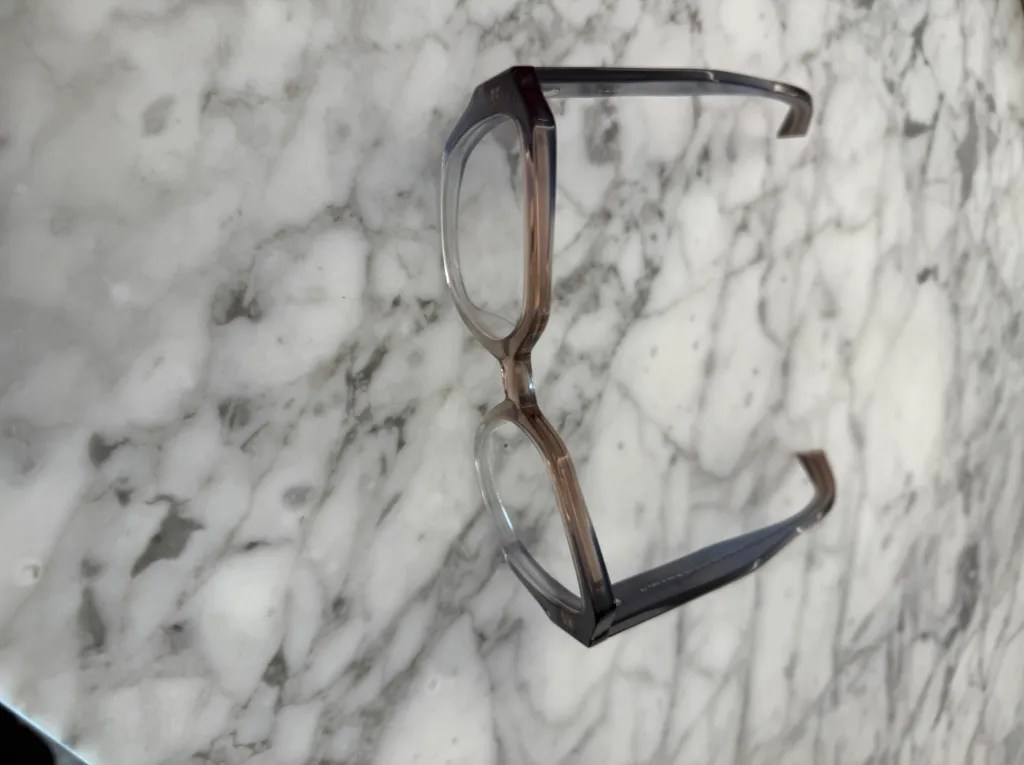
I first used the company’s Home Try-On program, which let me explore different frames without feeling rushed. Later, while I was on vacation in Michigan, I visited a small Warby Parker store and physically tried the frames on in person. I like to weigh my options before making a larger purchase, so having both experiences helped me feel more confident in my decision.
When I got home, I decided to buy the glasses even though they were an out-of-pocket expense because my insurance wouldn’t cover them. Even so, they were still more affordable than purchasing glasses through my optometrist. What also stood out to me was the store experience. The sales advisor was helpful, the environment felt calm, and I didn’t feel pressured to buy. That part of the experience mattered, and it helped me better understand why Warby Parker has been successful.
Two important questions from this case are: How did Warby Parker use social media to reduce customer hesitation? And why did social media need to be integrated into its larger business strategy instead of being treated as a separate marketing tool?
How Warby Parker Reduced Customer Hesitation
One of Warby Parker’s biggest challenges was trust. Prescription glasses are not an impulse purchase for most people. They are personal, practical, and often expensive. Many consumers likely questioned whether buying glasses online was a good idea. Others may have assumed that lower prices meant lower quality.
Warby Parker addressed that hesitation by lowering the risk. The Home Try-On program is a strong example of that strategy. Instead of asking customers to commit immediately, the company let them try several frames at home for free and return the extras at no cost. That approach gave consumers more control over the process.
From my perspective, this strategy works because it matches how many people actually make decisions. Some shoppers want time to compare options, think through the cost, and decide without pressure. Warby Parker’s model supports that behavior rather than forcing a quick purchase.
The company also used social media effectively by encouraging customers to share photos of themselves wearing frames and ask friends or family for feedback. That matters because people often trust recommendations from people they know more than a traditional advertisement. In social media marketing, this is a strong example of user-generated content and social proof. The case study notes that customers who posted photos of themselves in frames bought at twice the rate of those who did not, showing that engagement influenced real purchase behavior.
Why Social Media Had to Be Part of the Business Strategy
What makes Warby Parker especially interesting is that it didn’t use social media only to advertise glasses. It integrated social media into the overall customer experience. The company used social platforms to answer questions, communicate with customers, encourage participation, and make a different buying model feel more familiar and trustworthy.
This matters because the customer journey today is not linear. Because of media convergence, a person might discover a brand on social media, visit the website, read reviews, watch videos, try the product in person, and make the purchase later. Customers move between digital and physical touchpoints constantly, so businesses can no longer treat social media as a separate activity.
My own experience reflected that connected journey. I started with the Home Try-On process, then visited a store, then thought about the purchase after I returned home before making my final decision. The brand experience felt consistent at each step. In my view, that consistency is one reason Warby Parker has built trust.
Warby Parker also used content meaningfully. According to the case, the company created informative videos and encouraged fans to do the same. That approach goes beyond promotion. It gives customers useful information while also making the brand feel more approachable. Helpful content tends to be more effective than constant self-promotion because it answers real customer needs
What This Case Says About Modern Social Media Marketing
To me, the biggest lesson from this case is that social media works best when it supports a real customer problem. Warby Parker did not simply use social media to attract attention. It used it to reduce uncertainty, invite participation, and build confidence in a new way of buying glasses. Its strategy was effective because it combined several things well:
- affordability
- flexibility
- customer comfort
- social proof
- a low-pressure buying experience
I also think Warby Parker strengthened its brand by connecting business goals with social good through its partnership with VisionSpring. That gave customers another reason to feel positively about the brand beyond price alone.
Final Thoughts
Warby Parker is a strong example of how social media can support a much larger business strategy. The company used social media to reduce customer dissonance, build trust, encourage user participation, and create a more flexible buying experience. That is what makes the case so relevant to social media marketing.
For me, this case was especially meaningful because I could connect it to my own experience. Even though I took time to weigh my options and knew the purchase would be out of pocket, the combination of affordability, convenience, and a relaxed customer experience made the decision easier. Warby Parker seems to understand how customers actually make decisions, and that is the big reason its strategy works.
What matters most to you when buying glasses: affordability, convenience, or feeling confident in the decision?

